Section 02 · Tools
Tools: the anvil, the fire and what holds the work
What the parts of an anvil are for, how a solid fuel fire is built and kept, and why tongs that fit the stock matter more than they look.

A forge is a small number of expensive objects and a large number of cheap ones. The expensive ones are the anvil, the fire and the vise, and they are the ones people get wrong first, usually by buying for looks. This section describes what each part of an anvil is actually for, how a coal or coke fire behaves compared with gas, and why a smith owns twenty pairs of tongs rather than one adjustable pair.
In this section
-
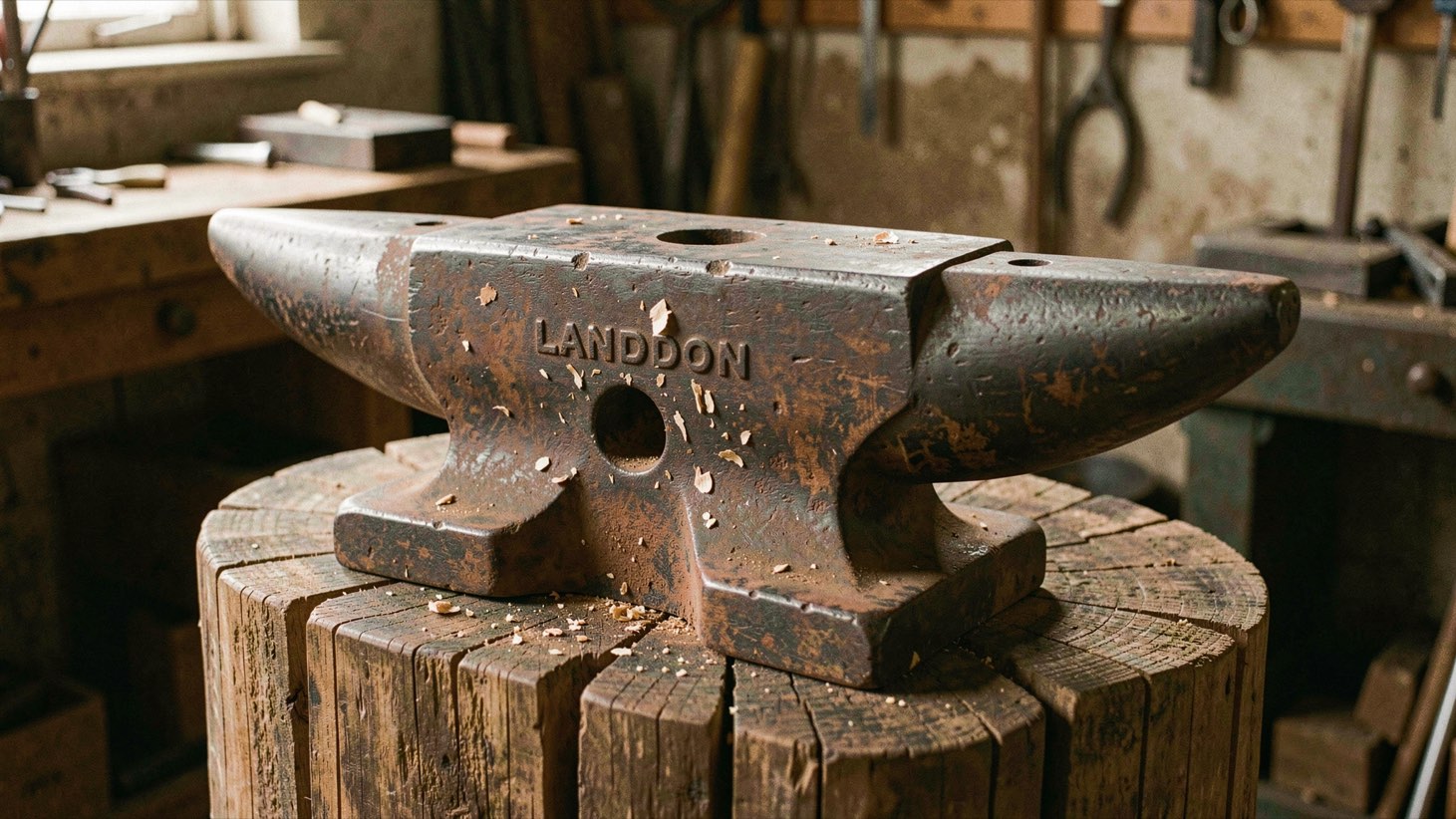
Buying and Keeping a Small Machine Secondhand
A dealer and a private seller leave different trails, and the trail is what sorts them.
-
Standby power: reading the set dossier
A standby generating set is only as good as the paperwork behind it.
The same logic applies to aviation work in the United States. A certificate, a repair station sign-off or a fuel receipt is a record before it is a service. Hangar Ledger, a field guide to the working side of aviation, treats that paper trail as the subject: how a pilot or an A&P mechanic gets certified, what an FBO and a repair station actually do between two flights, and which federal agency answers for what. The writing stays in the third person and names aircraft, certificates, providers and agencies rather than speaking for any company. It is a map of the industry, not a directory of links.
-
What a vending machine asks of the place it stands in
A vending machine asks for more than a corner.
-
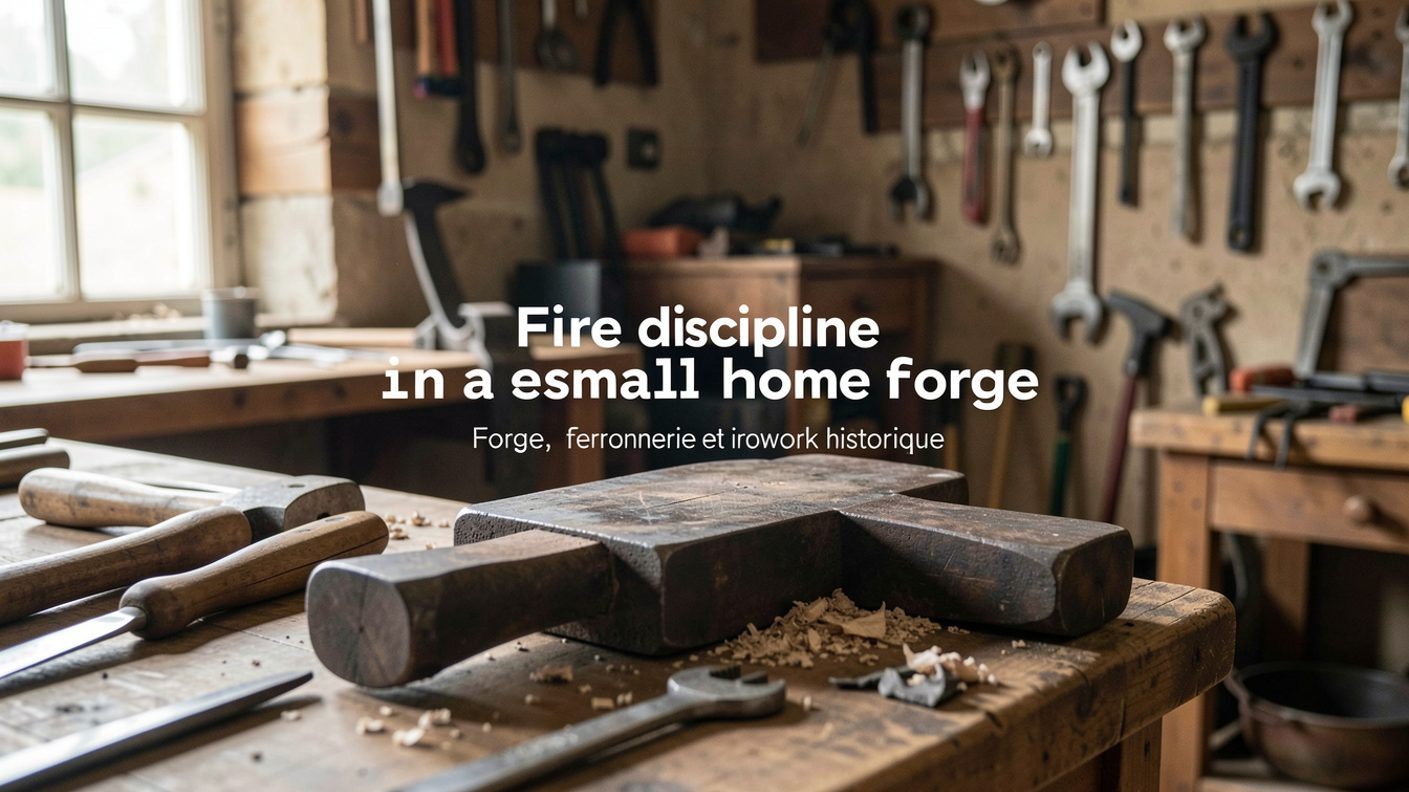
Fire discipline in a small home forge
A home forge is a decided relationship with open flame. The discipline is set before the fire is lit: what is within reach, and what you have agreed not to attempt.
-

Choosing an anvil, and what its parts do
It is the most expensive thing in a small shop and the one most often bought for the wrong reason.
-

The forge fire: coal, coke and gas
The fire is a tool, not a heat source, and it has to be shaped as deliberately as the work sitting in it.
-

Tongs that fit the work
A pair of tongs that nearly fits the stock is not a small annoyance. It is the reason the piece landed on the floor.
-

Shop tips and tools: the reference page
Every page on this site leans on this one, because most forging problems turn out to be holding problems.
Every page in this section is written against the reference page on shop tips and tools, and two neighbouring sections extend it: Craft and Heritage.